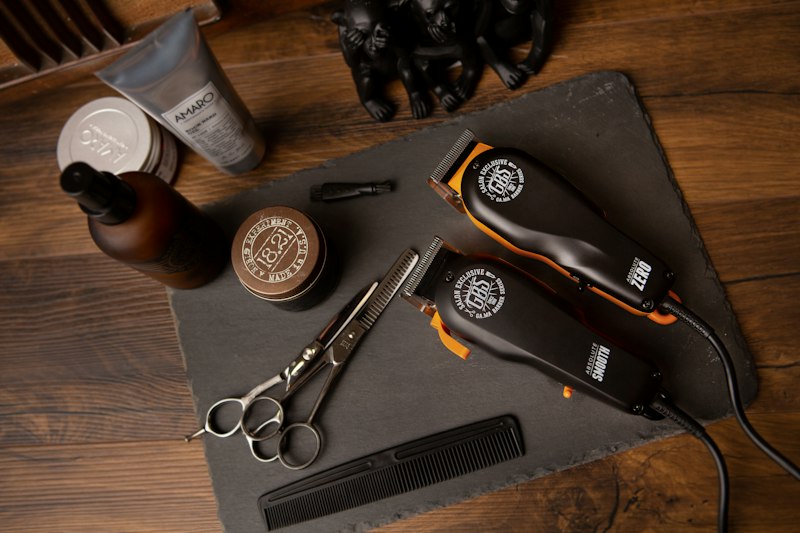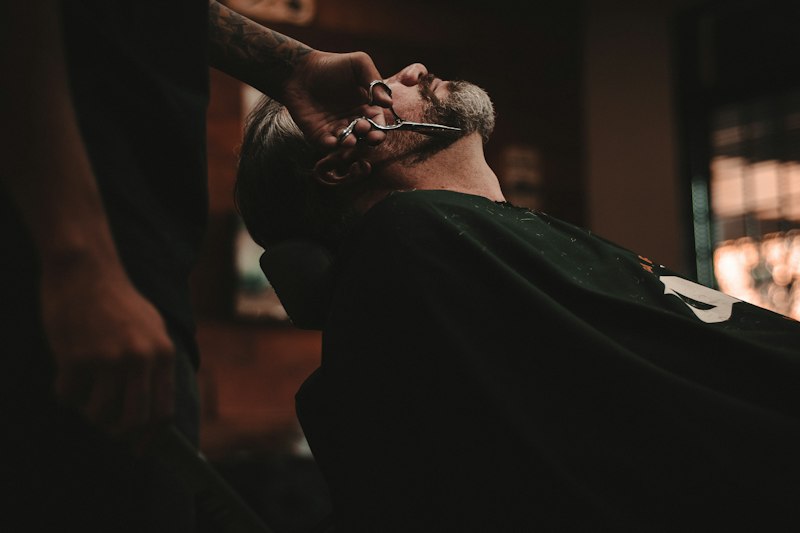
If you've ever looked at your hair in the mirror and thought "this should look better than it does," the answer is almost never the haircut. The cut is just a starting point. What turns a decent haircut into great-looking hair is the ten-minute routine you do every day. Most men either skip the routine entirely or do too much of it without realizing those are two ends of the same problem.
At City Barbers, we have been cutting hair on the Upper East Side since 1972, and the question we get asked the most after "what should I do with this on top?" is "what do I do with my hair at home?" Here is the routine we recommend — short, practical, and built around your hair type instead of someone else's.
Step one: know what you are working with
Before you buy a single product, figure out two things: your hair texture (fine, medium, or thick) and your scalp type (dry, normal, or oily). Texture decides how much volume you can hold; scalp decides how often to wash. Most guys treat their hair like one universal thing, but a fine-haired guy with an oily scalp and a thick-haired guy with a dry scalp need almost opposite routines.
If you are not sure, ask your barber the next time you are in the chair. We can usually tell within thirty seconds of running our hands through your hair.
Step two: wash, but not every day
Daily shampooing strips your scalp's natural oils, which makes hair look limp and triggers the scalp to overproduce more oil — the loop that gives you greasy hair by mid-afternoon. Most men do well washing two to four times a week. Oily scalps lean toward four; dry or curly hair often does best with two, sometimes one.
On the days you do not shampoo, rinse with water and use a small amount of conditioner. That is enough.
Step three: pick a real shampoo
Skip the all-in-one body wash. Those strip too aggressively for hair, especially if you are putting anything heavier than a dab of styling product in. Look for a shampoo that matches your scalp:
Oily scalps — look for ingredients like salicylic acid or tea tree oil. They clarify without stripping. Dry or sensitive scalps — sulfate-free formulas with glycerin or aloe. Thinning hair — ketoconazole shampoos like Nizoral are worth a try once or twice a week alongside your regular shampoo.
Massage it into the scalp, not the lengths. The lengths get clean from the runoff.
Step four: condition — yes, even with short hair
Conditioner is not just for long hair. Even on a fade or a buzz cut, conditioner protects the hair shaft, calms the scalp, and makes whatever cut you have look healthier. Use it after every shampoo, and on rinse-only days. Apply mid-length to ends, leave it for a minute or two, and rinse with cool water — cold rinses tighten the cuticle so light reflects better and hair looks shinier.
Step five: dry it right
Aggressive towel-drying is the single most underrated thing wrecking men's hair. Rubbing a coarse towel back and forth roughs up the cuticle, frays the ends, and creates the kind of frizz no styling product fully fixes. Press the towel into your hair to absorb water, or use a microfiber towel — even a clean cotton t-shirt works.
If you blow-dry, keep it on medium heat, point the nozzle down the shaft of the hair (not against it), and finish with a thirty-second blast of cool air to lock the shape in.
Step six: match the product to the cut
This is where most men go wrong. The product needs to match both your hair type and the look you are after.
Pomade — high shine, strong hold, slick-back and side-part territory. Water-based pomade washes out easily; oil-based lasts through the day but takes effort to remove.
Clay or fiber — matte finish, medium hold, adds thickness. Best for textured crops, French crops, and quiffs. The default choice for most men.
Sea salt spray — adds grit and texture before drying. Great for thick or wavy hair that needs help holding shape.
Cream or wax — light hold, soft finish. Works well for longer styles or when you want a "did nothing" look.
Use a pea-sized amount, warm it between your palms until it disappears, then work it through damp (not soaking) hair from the back forward. More product is rarely the answer; better distribution usually is.
Step seven: the barber is part of the routine
Even the best at-home routine cannot substitute for a regular cut. Hair grows about half an inch a month, and most styles start losing their shape after three to four weeks. A shape-up at week three keeps the cut sharp; a full haircut every four to six weeks keeps the proportions right.
If you are nearby, walk into City Barbers at 223 E 74th St or call (212) 794-3267. A men's haircut is $40 and a quick shape-up is $25. We will happily talk through products with you while you are in the chair, and recommend something that actually fits your hair instead of whatever is stocked on the shelf.
The mistakes we see most often
Three patterns come up constantly: too much product, too much heat, and too much shampoo. If your hair feels stiff and crunchy by the end of the day, you used too much product. If it feels dry, brittle, or frizzy at the ends, you have been washing too often or drying too hot. The fix is almost always less, not more.
A men's hair care routine that actually works is not expensive or complicated. Three to four products, a few minutes a day, and a barber visit every month or so. Get those right and your hair will look better than it has any right to.
City Barbers is at 223 E 74th St on the Upper East Side. Open 7 days a week — walk in or call (212) 794-3267. Book online anytime.
Frequently Asked Questions
Most men do well shampooing two to four times a week. Oily scalps may need four; dry, curly, or coarse hair often does best with one or two. Daily shampooing strips natural oils and usually backfires by triggering more oil production.
Yes — even with short hair. Conditioner protects the hair shaft and calms the scalp. Apply mid-length to ends after every shampoo, leave for a minute or two, and rinse with cool water.
For most thick-haired men, a matte clay or fiber gives medium hold without weighing the hair down. If your hair needs help holding a shape, prep with a sea salt spray before drying, then finish with a small amount of clay.
Hair grows about half an inch a month and most cuts start losing shape after three to four weeks. A shape-up at week three and a full haircut every four to six weeks keeps proportions right and styling easy.
You can, but they are a compromise. Shampoo and conditioner do opposite jobs — one strips, the other restores. Two separate products give you better control, especially if you have an oily scalp or use heavier styling products.