Walk into any barbershop and you'll hear two tools at work: the quiet snip of shears and the low hum of clippers. Both can give you a clean, sharp haircut. But they work differently, suit different hair types, and produce different results. Most men never think to ask which tool their barber is using — let alone whether they should request one over the other.
Understanding the difference between a scissor cut and a clipper cut can change how you communicate with your barber and, more importantly, how consistently you get the haircut you actually want. Here's a straightforward breakdown from the team at City Barbers, where we've been cutting hair on the Upper East Side since 1972.
What Is a Clipper Cut?
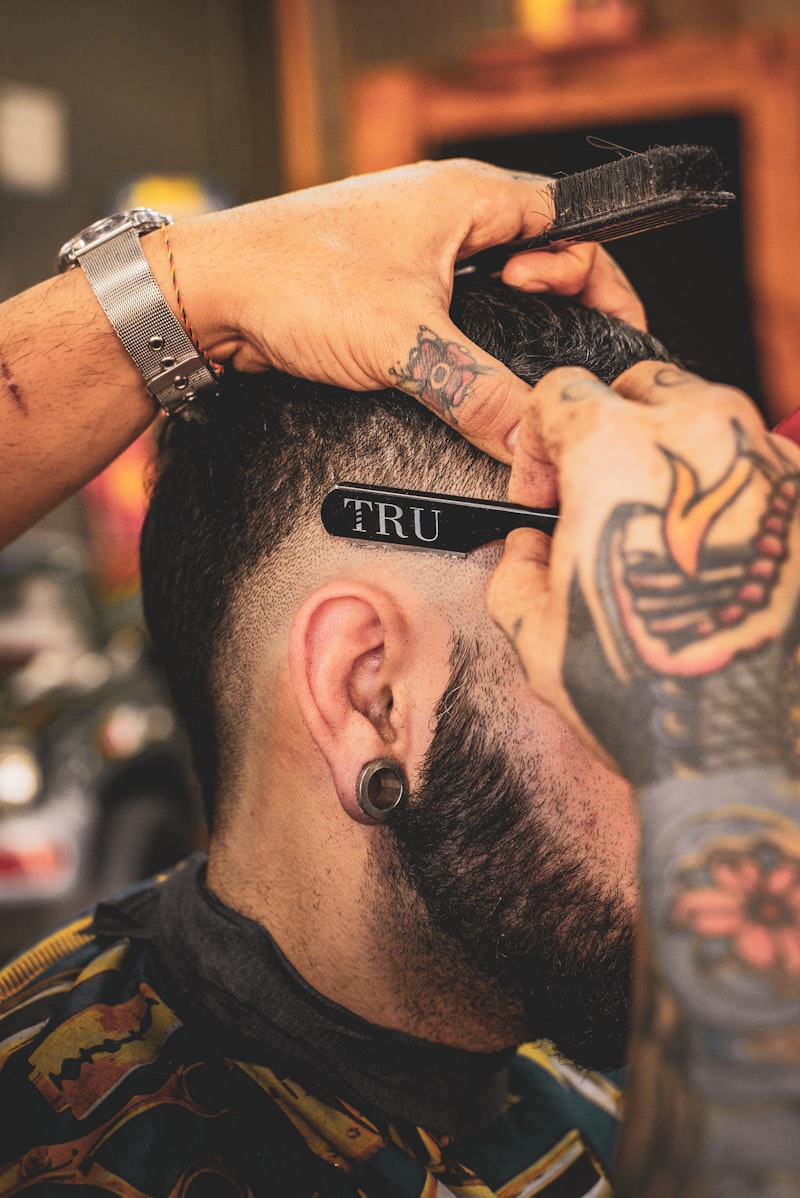
A clipper cut uses electric clippers fitted with guard attachments numbered by length — a #1 guard leaves about 1/8 inch of hair, a #4 leaves about 1/2 inch, and so on. Clippers are fast, consistent, and precise for short work. They're the go-to tool for fades, tapers, skin fades, buzz cuts, and any style where the sides and back need to be cut very short or blended smoothly from one length to another.
The strength of clippers is in their consistency. A skilled barber can blend a skin fade up into a longer top with a level of precision that shears alone can't easily replicate. The guard system removes guesswork on length — if you know you want a #2 on the sides and a #4 on top, those numbers mean the same thing from visit to visit, at any barbershop. Clippers are also significantly faster, which is why they're used for most of the time-intensive work in any haircut that includes faded or tapered sides.
The trade-off is texture and softness. Clippers cut bluntly, leaving a clean edge but a uniform, slightly stiff result — especially on thick or coarse hair. On longer hair, clippers can create a blocky or heavy look if used without refinement. That's why most modern haircuts combine clippers on the sides with scissors on top.
What Is a Scissor Cut?
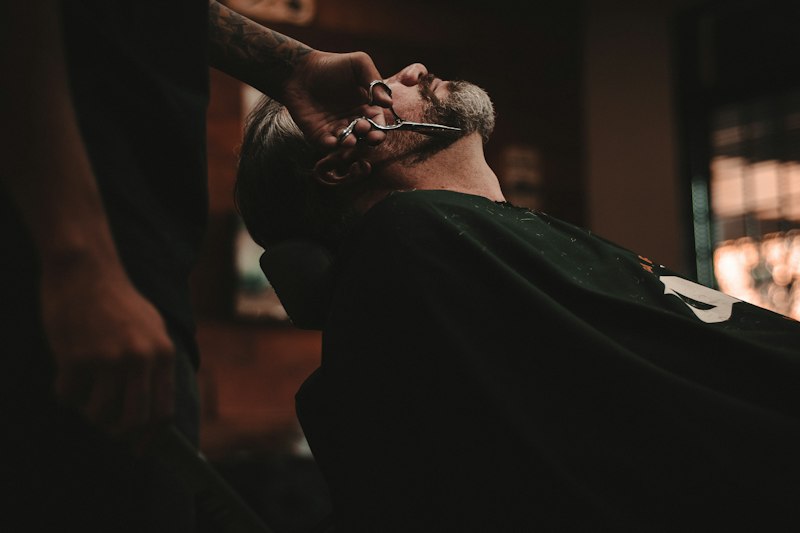
A scissor cut — sometimes called a shear cut or scissor-over-comb — uses traditional barbering shears to remove length and shape the hair by hand. It requires more time and skill than clipper work, but it gives the barber much greater control over texture, weight distribution, and the overall shape of the cut.
With scissors, a barber can point-cut into the ends to create softness, remove bulk from thick hair without changing the overall length, and build movement into a style that would look flat if clipped. Scissor cuts are ideal for medium to long hair, for men who want a natural, lived-in result rather than a tightly structured one, and for anyone with fine or thin hair that needs to be handled with more precision to avoid looking wispy or over-thinned.
Scissor cuts also hold their shape differently as the hair grows out. A well-executed scissor cut tends to grow out more gracefully — the lines soften rather than becoming blocky, which means you can often go longer between visits without your hair looking unkempt.
Which Is Better for Your Hair Type?
The honest answer is that most great haircuts use both tools. Your barber will typically use clippers to handle the sides and back efficiently, then switch to scissors for the top and any finish work. But if you have a preference or a specific concern, here's how to think about it.
If you have thick or coarse hair, scissor work on top is especially valuable. Clippers can leave thick hair looking boxy or heavy. A barber using shears can remove internal bulk and create a cut that sits better and looks more refined. Ask for a scissor cut on top with clipper work on the sides and back.
If you have fine or thin hair, scissors are again the better choice for the top — but for the opposite reason. Fine hair can be over-thinned easily. A good barber with scissors can preserve weight and density while still shaping the style. Clippers on fine hair can leave a sparse, airy result that doesn't hold any style well.
If you have wavy or curly hair, scissors are almost always the right call for anything on top or at length. Clippers tend to cut across the curl pattern in ways that look inconsistent once the hair dries. Scissor cutting follows the natural curl and creates a much cleaner, more intentional result.
If you want a fade, taper, or buzz cut, clippers are the primary tool and there's no substitute for them. The blending work that makes a skin fade look seamless simply can't be done with scissors alone.
What to Ask Your Barber
You don't need to walk in and specify every tool — that's your barber's job. But a few phrases can help you communicate what you're looking for. "Scissor cut on top" tells your barber you want a softer, more textured result on the upper portion of your hair. "Leave it a bit longer and use scissors to blend" is useful if you're growing your hair out and don't want clipper work to set you back. "Keep the fade tight on the sides but go easy with the scissors on top — I have thin hair" gives your barber exactly the context they need to adjust their technique.
At City Barbers, we ask about your hair type, your lifestyle, and how often you get a cut before we pick up any tool. A man who comes in every three weeks can wear a tighter, clipper-heavy style. A man who comes in every six weeks benefits from a cut that grows out more cleanly — which usually means more scissor work and less aggressive clipper blending.
The Scissor-Over-Comb Technique
One technique worth knowing about is scissor-over-comb — a classic barbering method that achieves a result similar to clipper blending but with shears. The barber lifts the hair with a comb and cuts along the comb's spine with scissors, working upward in smooth, rhythmic passes. It produces a blended, tapered look without the hum of clippers, and it's the preferred method for barbers working on men with sensitive scalps, men who find the vibration of clippers uncomfortable, or anyone who prefers a quieter, more deliberate experience in the chair.
If you've never tried a scissor-over-comb finish on your sides and back, it's worth asking about. The result is slightly softer than a clipper blend — less sharply defined, but with a more natural transition that many men find suits them better.
Come In and Let Us Figure It Out Together
If you're not sure which approach is right for your hair, the best thing you can do is come in and have a conversation before we start cutting. Our barbers at City Barbers have seen every hair type and texture that New York has to offer — we'll take a look at what you've got, ask what you're going for, and tell you exactly which tools and techniques will get you there.
We're at 223 E 74th St on the Upper East Side, open seven days a week. Walk-ins are always welcome, or you can book online through Square. Whether you're after a tight clipper fade or a loose scissor cut with plenty of texture, we've got the skills — and the tools — to make it happen.
City Barbers is at 223 E 74th St on the Upper East Side. Men's haircuts start at $40 — our barbers use whatever combination of scissors and clippers your hair calls for. Walk-ins welcome 7 days a week. Call (212) 794-3267 or book online.